CFL Moneyline Betting Explained: Reading the Odds, Implied Probability, Removing the Margin, Ties and When an Underdog Is Worth It
Welcome bonus for new players + fast crypto payouts. Just helping a brother out.
19+ (18+ in AB, MB, QC). Crypto deposits. Cloudbet is licensed in Curaçao, not by any Canadian province. Not for Ontario or Alberta residents. Ad: we may earn a commission. Bet only what you can afford to lose.
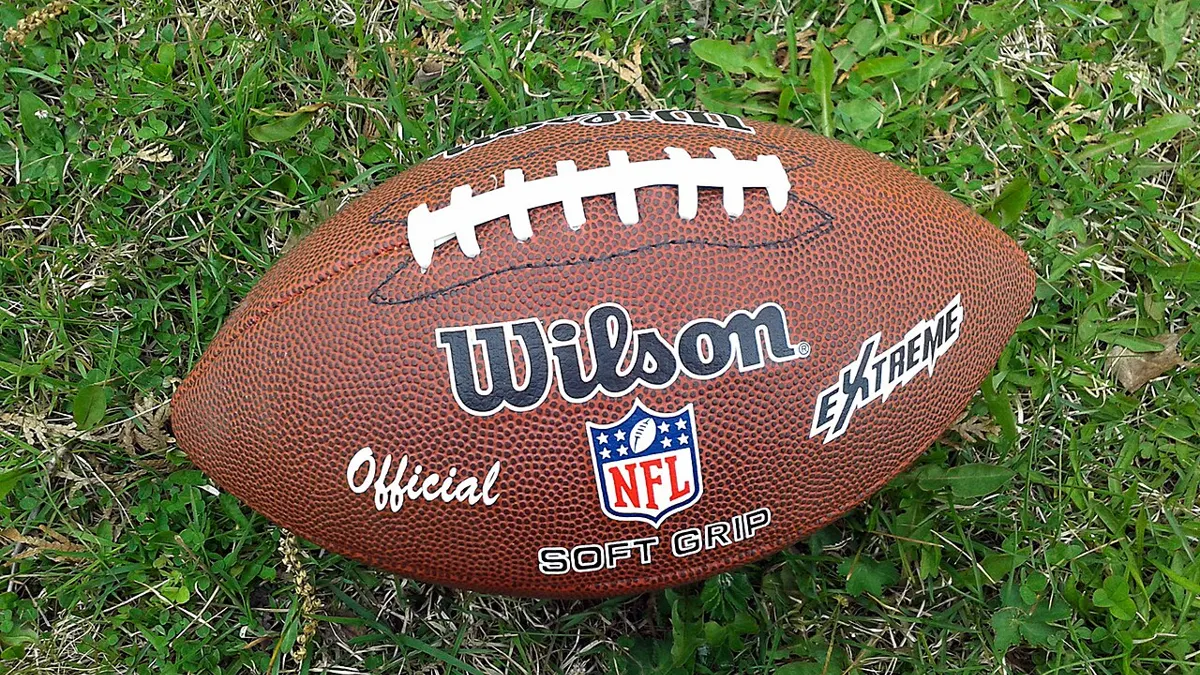
The moneyline is the first bet most people ever make on the CFL, and honestly it's a great place to start. No points to cover, no totals to worry about, just one question: who wins? But there's more going on behind those numbers than most fans realize. A price like −180 or +150 is the book telling you exactly how likely it thinks each team is to win, with its own cut baked in. Once you can read that, you stop betting on who you "like" and start betting on whether the price is fair. Let's break it down properly, like I would for a friend at a tailgate in Regina.
Some ground rules first. You must be 19 or older to bet in most provinces, or 18 in Manitoba and Quebec. This site doesn't accept readers from Ontario or Alberta. Cloudbet, the sportsbook we link to, operates under a Curaçao licence and is not authorized by any Canadian province. All odds, probabilities and stakes on this page are examples made up for teaching, not real lines and not picks.
What a moneyline bet actually is
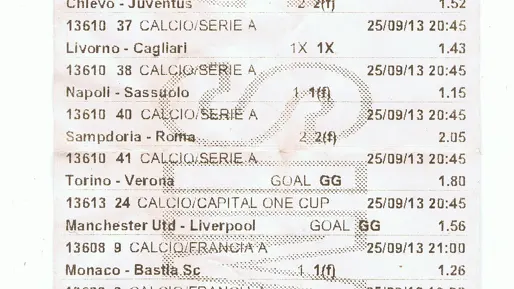
A moneyline bet is a straight pick of the winner. If your team wins, you get paid at the posted price. If it loses, you lose your stake. The margin of victory doesn't matter at all: a one-point win on a last-second field goal pays exactly the same as a 30-point blowout. That's what makes the moneyline different from the point spread, where the favourite has to win by a set number of points.
A weekend board might look something like this (made-up numbers):
| Matchup | Away | Home |
|---|---|---|
| Edmonton at Winnipeg | +150 (2.50) | −180 (1.556) |
| Montreal at Ottawa | −130 (1.769) | +110 (2.10) |
| Toronto at Saskatchewan | +200 (3.00) | −250 (1.40) |
The minus sign marks the favourite and the plus sign marks the underdog. Cloudbet and many international books show decimal odds by default, while most Canadian sports media quote American odds. You'll want to read both comfortably.
Reading American odds
American odds are always built around C$100, even if you bet C$5.
- Negative number (favourite): how much you'd have to bet to win C$100 profit. At −180, you risk C$180 to win C$100. On a C$20 bet, profit is C$20 × 100 ÷ 180 = C$11.11.
- Positive number (underdog): how much profit a C$100 bet would make. At +150, a C$100 bet wins C$150. On C$20, profit is C$30.
An easy way to remember it: minus means "you pay more to win less", plus means "you pay less to win more".
Reading decimal odds
Decimal odds show your total return per dollar, stake included. Multiply your stake by the price and that's what comes back if you win.
- C$20 at 1.556 returns C$31.11 (C$11.11 profit).
- C$20 at 2.50 returns C$50 (C$30 profit).
Converting between the two is simple:
- Positive American to decimal: (American ÷ 100) + 1. So +150 becomes 2.50.
- Negative American to decimal: (100 ÷ the number without the minus) + 1. So −180 becomes 1.556.
Don't feel like doing the arithmetic? Our odds calculator converts any format and shows the payout instantly.
Implied probability: what the price is really saying
Every price hides a percentage. For decimal odds it's just 1 divided by the price. For American odds:
- Negative: number ÷ (number + 100). −180 → 180 ÷ 280 = 64.3%.
- Positive: 100 ÷ (number + 100). +150 → 100 ÷ 250 = 40.0%.
| American | Decimal | Implied chance |
|---|---|---|
| −250 | 1.40 | 71.4% |
| −180 | 1.556 | 64.3% |
| −145 | 1.69 | 59.2% |
| −130 | 1.769 | 56.5% |
| +110 | 2.10 | 47.6% |
| +120 | 2.20 | 45.5% |
| +150 | 2.50 | 40.0% |
| +200 | 3.00 | 33.3% |
That percentage is also your break-even win rate for that price. If you bet Winnipeg at −180 over and over in spots like this, they need to win more than 64.3% of the time for you to come out ahead.
The book's margin, and how to strip it out
Add the two implied chances in the Edmonton–Winnipeg game: 64.3% + 40.0% = 104.3%. A fair coin can't add up to more than 100%, so that extra 4.3% is the sportsbook's margin (people also call it the vig or the juice). It's how the book makes money whichever side wins.
To estimate the book's "true" opinion without its cut, divide each side by the total:
- Winnipeg: 64.3 ÷ 104.3 = 61.6%
- Edmonton: 40.0 ÷ 104.3 = 38.4%
Do the same for the other games:
| Game | Prices | Implied total | No-margin favourite | No-margin underdog |
|---|---|---|---|---|
| Edmonton at Winnipeg | +150 / −180 | 104.3% | 61.6% | 38.4% |
| Montreal at Ottawa | −130 / +110 | 104.1% | 54.3% | 45.7% |
| Toronto at Saskatchewan | +200 / −250 | 104.8% | 68.2% | 31.8% |
Why bother? Because it shows you how much margin you're paying, and it gives you a clean baseline. If you think Edmonton actually wins this game 42% of the time, you're disagreeing with the market's 38.4% by nearly four points, and +150 starts to look interesting. If you think they win 38%, the price is about fair and the margin means you lose slowly. Comparing margins across books is useful too: a book running 102.5% on the same game is simply cheaper to bet with.
Ties: the CFL quirk you need to know
In the playoffs and the Grey Cup, CFL games keep going until somebody wins. In the regular season, though, the league's overtime format can still leave a game tied. It's rare, but it does happen, and it matters for how your moneyline bet is settled.
- Two-way moneyline: at many books, if a regular-season game ends in a tie, a two-way moneyline is graded as a push (stake returned) or void. Some books use different rules, so read the house rules for the sport before you bet.
- Three-way moneyline: some books also offer a "1X2" market with home, tie and away. These usually settle on regulation time only, which makes the tie much more likely than in a full-game market, and the prices on each team are longer to reflect that.
- Overtime included: a normal two-way moneyline almost always includes overtime. A three-way regulation market doesn't. Mixing up the two is a classic beginner mistake.
If you've ever wondered why your "Hamilton to win" ticket paid nothing on a game they won in overtime, check whether you accidentally clicked the three-way regulation market.
Moneyline vs point spread: which one to use
The same game can be bet both ways, and neither is always better. Here's how they compare:
| Situation | Moneyline | Spread |
|---|---|---|
| Heavy favourite | Short price, big risk for small win | Near-even price, but must win by the margin |
| Small favourite (pick'em-ish game) | Often the simpler choice | Spread may be only 1.5 to 3 points |
| Underdog you think can win outright | Pays much more | Pays less, but also wins on close losses |
| Underdog you think keeps it close but loses | Loses | Can still win |
A good rule of thumb: if your opinion is "this team wins", the moneyline expresses it directly. If your opinion is "this game is closer than people think", the spread usually fits better. CFL scoring, with singles, long converts and two-point tries, makes close finishes and backdoor scores fairly common, so think about which of those two opinions you really hold. Our CFL point spread guide goes deep on the spread side.
Turning your opinion into a price
To bet moneylines well, you need your own estimate of each team's chance before you look at the board. It doesn't have to be fancy. A basic routine:
- Start with a power rating. Give each team a number based on point differential, quarterback play and how they've looked against decent opponents over a meaningful stretch, not just last week.
- Add home field. Home teams in the CFL tend to have an edge from crowd, familiarity and no travel. Many bettors treat it as worth a couple of points, but it varies by stadium and situation.
- Adjust for the quarterback. No position swings a CFL game more. A backup starting can move a team's chances by a big amount, especially if the offence was built around the starter.
- Adjust for travel and rest. Canada is huge. A team flying from Vancouver to Montreal on a short week has a real disadvantage. Teams coming off a bye usually get a small boost.
- Adjust for weather. Strong wind and late-season cold tend to compress scoring and make outcomes more random, which helps underdogs a little.
- Convert to a percentage. If your rating makes a team a 3-point favourite, a rough rule many football bettors use is that a 3-point favourite wins somewhere around 58% to 60% of the time. Use whatever conversion you trust, but write it down and stay consistent.
Then compare. If your number for Winnipeg is 66% and the book's price implies 64.3% (or 61.6% after margin), you have a slight edge. If your number is 60%, you pass on Winnipeg and maybe look at Edmonton.
What expected value looks like on a moneyline
Expected value is just: (chance of winning × profit) minus (chance of losing × stake). Some made-up examples on a C$20 bet:
| Bet | Price | Your estimate | Expected value |
|---|---|---|---|
| Edmonton | 2.50 (+150) | 42% | +C$1.00 |
| Edmonton | 2.50 (+150) | 38% | −C$1.00 |
| Winnipeg | 1.556 (−180) | 66% | +C$0.54 |
| Winnipeg | 1.556 (−180) | 60% | −C$1.33 |
Two lessons jump out. First, small differences in your estimate flip a bet from good to bad, so be honest and conservative. Second, the edge on heavy favourites tends to be thin even when you're right, while the risk of a single loss is large. That's why so many experienced bettors find more value on reasonably priced underdogs than on short favourites, although there's no rule that underdogs are always better.
When a CFL underdog is worth a look
The CFL has a reputation for upsets, and some of that is built into the game: only three downs, big returns, a wide field, and singles that can swing a close finish. That variance helps the team that's less likely to win. Situations where underdogs deserve a closer look:
- Public favourites. Popular teams with big fan bases can attract a lot of casual money, which can shorten their price beyond what the matchup justifies.
- Bad weather. Wind and cold make the game sloppier and more random, which narrows the gap between good and average teams.
- Divisional familiarity. Teams that play each other often know each other's tendencies, which can keep games tight.
- Overreaction to one result. A team that got blown out last week often gets a bigger price than it should if the loss was a fluke (turnovers, a missing starter who's now back).
- Quarterback returning. If the market is slow to update after a starter comes back from injury, the price may still reflect the backup.
Keep your expectations realistic. Betting underdogs means losing most of your bets and winning bigger when you hit. If you can't stomach a run of five or six losses, size your bets accordingly.
19+ (18+ in AB, MB, QC). Crypto deposits. Cloudbet is licensed in Curaçao, not by any Canadian province. Not for Ontario or Alberta residents. Ad: we may earn a commission. Bet only what you can afford to lose.
Line movement and shopping for the best price
Moneyline prices move during the week as injury news, weather forecasts and betting money come in. A team that opens at −150 might close at −175 after its opponent's quarterback is ruled out. A few practical points:
- Early prices can be softer, but they carry more uncertainty about who will play.
- Late prices include more information, so they're usually sharper.
- Beating the closing price regularly is the best sign you're making good bets, even before your results catch up. If you took +150 and the game closed at +130, you got a better deal than the final market.
- Shop between books. On an underdog, getting +160 instead of +150 lowers your break-even from 40.0% to about 38.5%. That's a real difference over a season.
Weekly lines and how they shift are covered on our CFL betting odds this week page.
Moneyline parlays: why stacking favourites is a trap
It's tempting to string three heavy favourites together to "make the odds worth it." Look at what actually happens. Three legs at 1.40 each pay 1.40 × 1.40 × 1.40 = 2.74, so a C$20 parlay returns about C$54.88. But if each favourite truly wins 70% of the time, all three win only 0.70 × 0.70 × 0.70 = 34.3% of the time. The fair price for that would be about 2.92. You're paying the margin three times over, and one stumble kills the ticket.
Parlays aren't evil. They're entertainment with a higher house edge. If you enjoy them, keep the stakes small and treat them as a fun side bet, not your main approach. Also be careful with "correlated" parlays like a team's moneyline plus their opponent's under. Many books restrict or reprice those for a reason.
Live moneyline betting
Moneyline prices update during the game. A pre-game favourite trailing by 10 at halftime might suddenly be an underdog. That can create opportunities, but also traps:
- CFL leads are fragile. With quick drives and big returns, 10-point leads disappear regularly. Live markets know this, so don't assume a trailing favourite is a bargain without checking the price.
- Your stream is delayed. The book's data is usually ahead of your TV or stream, and markets get suspended during key plays.
- Have a plan before kickoff. Decide in advance what situation would make you bet live (for example, a favourite you rate highly going down early on a fluky turnover). Don't make it up as the game goes on.
- Cash-out isn't free. Cash-out offers include extra margin. Take one only when the situation has truly changed, such as a quarterback leaving with an injury.
Futures vs game moneylines
Betting a team to win the Grey Cup is a kind of long-range moneyline. The prices are bigger, but your money is tied up for months and the margin on futures markets tends to be higher. Game-by-game moneylines let you react to injuries and form. If you like futures, see our guide on how to bet on the CFL playoffs.
Simple staking for moneyline bettors
Most of the damage bettors do comes from bet size, not bet selection. A sensible approach is flat staking: bet the same amount on every play, usually 1% to 2% of a bankroll you can afford to lose.
| Bankroll | Flat 1% | Flat 2% | Six straight underdog losses at 2% |
|---|---|---|---|
| C$300 | C$3 | C$6 | −C$36 |
| C$600 | C$6 | C$12 | −C$72 |
| C$1,200 | C$12 | C$24 | −C$144 |
Some bettors prefer to stake to win a set amount on favourites (say, to win one unit) and risk one unit on underdogs. That keeps a heavy favourite from risking two or three units on one game. Either way, pick a method and stick to it.
Common moneyline mistakes
- Betting a favourite because "they should win." They probably should. The question is whether they win often enough to justify the price.
- Ignoring the margin. If both sides add up to 106%, you're paying a lot. Find a better book.
- Clicking the three-way market by accident. Know whether overtime counts before you place the bet.
- Not checking the quarterback. A late scratch can make your pre-week price look awful.
- Chasing losses on Sunday night. If the afternoon went badly, the evening game isn't a chance to "get even."
- Not keeping records. Without a log of your bets, prices and closing lines, you can't tell skill from luck.
A quick weekly routine
- Early in the week, update your power ratings with last week's results.
- Estimate a win chance for each game and write it down.
- Check the moneylines at two or three books and strip out the margin.
- Mark any game where your estimate beats the price by a clear amount, say three percentage points or more.
- Re-check quarterback status and weather before placing the bet.
- Log every bet with the price you got and the closing price.
If you enjoy totals too, our CFL over/under tips use a similar build-your-own-number approach.
Taxes and legality, in short
For casual bettors in Canada, winnings are generally not taxed as income, though people who bet as a business can be treated differently. See does Canada tax sports betting winnings for details. Betting rules are set province by province, so check is online betting legal in Canada before you sign up anywhere.
Stay in control
A small moneyline bet can make a mid-season game between two .500 teams a lot more fun. Keep it at that level. Set a limit for the week before the first game kicks off, and stop when you hit it, win or lose. If betting stops being fun, help is free and confidential: Gambling Support BC at 1-888-795-6111, and Jeu : aide et référence in Quebec at 1-800-461-0140. Our responsible gambling page has more resources.
My take
The CFL moneyline is simple to place but worth understanding properly. Learn to read both American and decimal odds. Convert every price to an implied chance and strip out the margin so you know what the market really thinks. Know how ties and three-way markets are settled. Build your own estimate of each team's chance before you look at the board, and only bet where the price beats your number. Be wary of piling favourites into parlays, keep your bets flat and small, and log everything. Do that, and you'll be betting with your head instead of your jersey.
Questions players ask
What does a CFL moneyline bet mean?
It's a bet on which team wins the game outright. The margin doesn't matter. If your team wins by one point or by thirty, the bet pays at the posted odds.
How do I read -180 and +150 on a CFL moneyline?
-180 means you'd risk C$180 to win C$100 profit, so the team is the favourite. +150 means a C$100 bet wins C$150 profit, so the team is the underdog. In decimal odds those are about 1.556 and 2.50.
What happens to a CFL moneyline bet if the game ends in a tie?
CFL regular-season games can occasionally end tied. Many books grade a two-way moneyline as a push or void in that case and return your stake, but rules vary, so check your book's house rules. Three-way markets that include the tie usually settle on regulation time only.
Does a CFL moneyline include overtime?
A standard two-way moneyline almost always includes overtime. A three-way (1X2) market usually covers regulation time only.
Is the moneyline or the spread better for CFL betting?
Neither is always better. Use the moneyline when your opinion is simply that a team will win. Use the spread when you think a game will be closer or more lopsided than the market expects.
How do I find the book's margin on a moneyline?
Convert both prices to implied percentages and add them. Anything over 100% is the margin. For example, -180 and +150 add up to about 104.3%, so the margin is about 4.3%.
Is Cloudbet legal in Canada?
Cloudbet holds a Curaçao licence and is not authorized by any Canadian province. This site does not serve Ontario or Alberta residents.
19+ (18+ in AB, MB, QC). Crypto deposits. Cloudbet is licensed in Curaçao, not by any Canadian province. Not for Ontario or Alberta residents. Ad: we may earn a commission. Bet only what you can afford to lose.
If betting is costing you more than money, free 24/7 help is a phone call away. British Columbia: Gambling Support BC 1-888-795-6111. Alberta: Addiction & Mental Health Helpline 1-866-332-2322. Manitoba: Problem Gambling Helpline 1-800-463-1554. Saskatchewan: Problem Gambling Helpline 1-800-306-6789. Quebec: Jeu : aide et référence 1-800-461-0140. Elsewhere, call 211 to find your provincial service.