CFL Point Spread Betting Guide: How the Line Works, What a Half-Point Is Worth, and How to Build Your Own Number
Welcome bonus for new players + fast crypto payouts. Just helping a brother out.
19+ (18+ in AB, MB, QC). Crypto deposits. Cloudbet is licensed in Curaçao, not by any Canadian province. Not for Ontario or Alberta residents. Ad: we may earn a commission. Bet only what you can afford to lose.
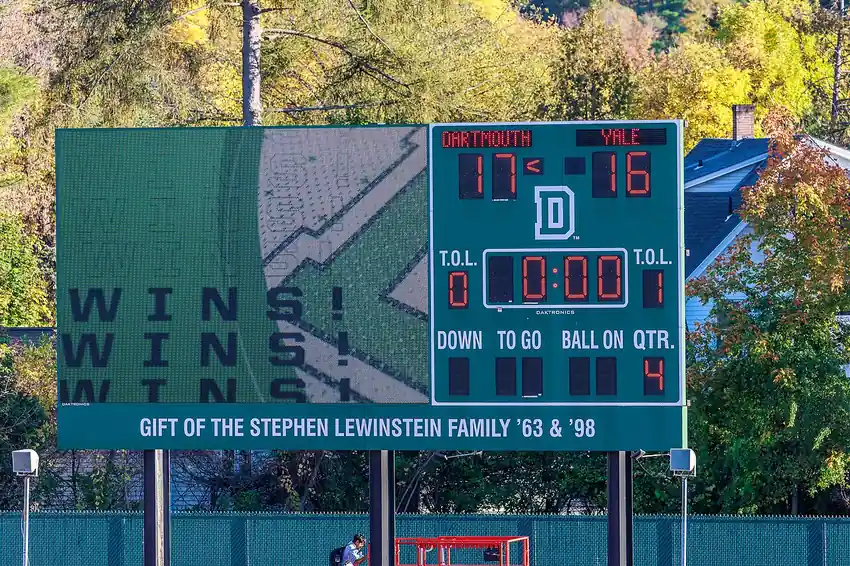
Every CFL week somebody in the group chat says "the Riders are a lock" and then the Riders win by two and still lose the bet. That's the point spread doing its job. If you're going to bet three-down football, the spread is the market you need to understand first, because it's where most of the action sits and where the book works hardest to make both sides look tempting. Pull up a chair. We'll go through how a CFL spread is written, the simple maths behind every line, why Canadian football's quirky scoring changes which numbers matter, and a step-by-step way to build your own number so you're not just guessing.
Quick ground rules before we start: you need to be 19+ in most provinces (18+ in Manitoba and Quebec). This site doesn't serve Ontario or Alberta residents. Cloudbet, which we link to, holds a Curaçao licence and is not authorized by any Canadian province. Every line, price and stake on this page is an illustrative example, not a live number or a tip.
What a point spread actually is
A point spread is a handicap the sportsbook puts on a game so that a mismatch becomes a coin flip. The stronger team "gives" points and the weaker team "gets" them. You're no longer betting on who wins. You're betting on the final margin compared with that number.
Here's how a typical line looks on a betting site (illustrative):
| Team | Spread | Price (decimal) | Price (American) |
|---|---|---|---|
| Winnipeg | −6.5 | 1.91 | −110 |
| Hamilton | +6.5 | 1.91 | −110 |
If you take Winnipeg −6.5, they need to win by 7 or more. If you take Hamilton +6.5, you cash if Hamilton wins outright or loses by 6 or fewer. The half point (the "hook") means there's no tie. When the line is a whole number like −7 and the favourite wins by exactly 7, the bet is a push and your stake comes back.
The break-even number you need to memorize
Standard spread prices sit around 1.91 (−110). That price hides the book's cut. To figure out how often you need to win just to stay level, divide 1 by the price:
1 ÷ 1.91 = 52.4%
So a coin-flip bettor who hits 50% loses money over time. You need to be right about 52 or 53 times out of 100 just to break even. Add both sides together and you get 52.4% + 52.4% = 104.8%. That extra 4.8% is the margin you're paying.
| Price | American | Break-even win rate |
|---|---|---|
| 2.00 | +100 | 50.0% |
| 1.95 | −105 | 51.3% |
| 1.91 | −110 | 52.4% |
| 1.87 | −115 | 53.5% |
| 1.83 | −120 | 54.6% |
| 1.77 | −130 | 56.5% |
Look at how fast that climbs. Every time you accept a worse price to move the line in your favour, you need a higher hit rate. Keep this table handy; our odds calculator will do the conversion for any number you see.
Why CFL scoring makes spreads different from the NFL
If you've bet American football before, you've probably heard that 3 and 7 are the magic numbers. In the NFL, a lot of games finish with a margin of exactly 3 or 7, so a half point around those numbers is worth a lot. The CFL is a bit different, and that changes how you should think about the hook.
The rouge (single point)
In Canadian football, a missed field goal or a punt that goes through or dies in the end zone without being returned can score a single point. That little point shows up more than casual fans think. It nudges final margins off the "clean" football numbers. A game that would've ended 24–17 can finish 25–17 because of one shanked kick.
Two-point tries and convert distance
CFL teams go for two after touchdowns more often than NFL teams, and the one-point kick isn't a chip shot. That adds more variety to final scores: margins of 1, 2, 4, 5 and 8 pop up more often than an NFL bettor would expect.
Three downs and a big field
With only three downs, a wider field and unlimited backfield motion, CFL games swing fast. Leads aren't as safe, and a late backdoor cover (the trailing team scoring a meaningless touchdown that changes the spread result) is a real thing.
The result: key numbers in the CFL are flatter. 3 and 7 still matter, but the gap between them and nearby numbers is smaller than in the NFL. That's useful to know when a book wants to charge you extra to buy a half point.
What a half-point is really worth
Most books let you "buy" points: move the spread in your favour at a worse price. Let's see if it's worth it with a simple model.
Say Winnipeg is −7.5 at 1.91 and the book offers −6.5 at 1.80. Moving from −7.5 to −6.5 only helps you in one case: Winnipeg wins by exactly 7. At −7.5 that's a loss; at −6.5 it's a win.
- Break-even at 1.91 = 52.4%
- Break-even at 1.80 = 55.6%
- You need the half point to add about 3.2 percentage points of win rate to pay for itself.
If, in your own tracking, CFL games land on exactly 7 about 6% of the time (an illustrative number; count your own seasons), then the half point turns a 6% slice of losses into wins. That's worth it on paper. If the margin lands on that exact number only 3% of the time, it isn't. Off the key numbers (say moving −5.5 to −4.5), the slice is usually too small to justify a big price hit.
Rule of thumb: only pay for a half point when it crosses a number that actually comes up a lot, and never just because you're nervous.
Turning a spread into a win probability
Here's the bit that separates guessers from people with a plan. If you can estimate the expected margin, you can estimate the chance of covering.
Football margins roughly follow a bell curve around the expected result. For the CFL, a spread of outcomes with a standard deviation somewhere around 13 to 14 points is a reasonable starting assumption (illustrative; measure your own data if you can).
Example: you think Winnipeg should win by 9. The book has them −6.5.
- Difference between your number and the line: 9 − 6.5 = 2.5 points.
- Divide by the spread of outcomes: 2.5 ÷ 13.5 ≈ 0.185.
- A z-score of 0.185 on a normal curve is about a 57% chance of covering.
Now the expected value of a C$20 bet at 1.91:
0.57 × C$18.20 profit − 0.43 × C$20 loss ≈ C$10.37 − C$8.60 = +C$1.77 per bet
That's what a real edge looks like: small and boring, and only valuable if you repeat it many times with discipline. If your number had been 7 instead of 9, the difference would be tiny and the bet would sit under the 52.4% break-even. Pass.
Building your own CFL spread, step by step
You don't need a fancy model. A simple power rating, updated weekly, beats gut feel.
1. Give every team a rating
Start with each team's average points scored minus points allowed per game, then shrink it toward zero early in the season. After two games, a team that's +15 per game probably isn't really that good. A simple way: blend this season's number with last season's, moving more weight to this year as games pile up.
2. Add home field
Many bettors start with home field worth around 2 to 3 points in the CFL. Some stadiums play louder or windier than others, and long road trips across time zones matter more in a nine-team league that stretches from BC to the East Division.
3. Adjust for the quarterback
No position moves a CFL line like quarterback. If the starter is out and a backup who has barely played is going in, the market may move 4 to 7 points or more. Your rating should move too, and you should be honest about how little you know about an untested backup.
4. Adjust for schedule spots
Short weeks (a Thursday game after a Saturday game), long travel, and teams coming off a bye can all shift your number by a point or two. Write down your reason every time you adjust, so you can check later if it actually helped.
5. Weather
Wind affects the kicking game, and the kicking game matters a lot in Canadian football because of punts, field goals and singles. Strong wind tends to shrink both totals and margins a little. Late-season cold in the Prairies can do the same. Our guide to the weekly CFL odds board walks through weather and totals in more detail.
6. Compare with the market
Your rating gives you a number like "Winnipeg −9." If the book is at −6.5, that's a 2.5-point gap and worth a closer look. If the book is at −8.5, your edge is tiny. Most of the time the market will be close to your number, and that's fine. You're hunting for the handful of games where you disagree by enough to beat the 52.4%.
Line movement: what it tells you
CFL lines open early in the week and move as money and news come in. A few patterns to understand:
- Injury news moves lines hardest, especially at quarterback, and especially when the news comes late.
- Public money often lands on popular teams with big fan bases. That can push a line a half point or a point past where it "should" be.
- Sharp money (respected bettors) can move a line quickly early in the week. When a line jumps a full point on Monday without news, somebody with a big opinion probably bet it.
The practical takeaway: if you have a strong number early in the week, you might get a better line before it moves. If you're waiting on injury news, it's often smarter to wait and accept a slightly worse price than to bet blind.
Alternate spreads
Many books offer a ladder of alternate lines around the main spread. Here's an illustrative ladder for one game:
| Line on Winnipeg | Price | Implied probability |
|---|---|---|
| −3.5 | 1.55 | 64.5% |
| −6.5 (main) | 1.91 | 52.4% |
| −10.5 | 2.60 | 38.5% |
| −14.5 | 3.50 | 28.6% |
Alternate lines often carry a slightly bigger margin than the main line. Use your win-probability method above on each rung. If your model says Winnipeg covers −10.5 about 43% of the time, the 2.60 price (38.5% implied) looks interesting. If you get 36%, skip it. Don't just pick the rung with the biggest payout.
First-half and quarter spreads
Books also post spreads for the first half, and sometimes for each quarter. The first-half line is usually a bit more than half the full-game spread, because favourites tend to build leads early and teams that are behind play faster late.
A few things to keep in mind:
- Half lines are smaller numbers, so a single rouge or field goal matters more.
- Coaching tendencies (aggressive vs conservative before halftime) show up here more than in the full game.
- Second-half lines appear at halftime and move fast. Don't bet them just to chase a first-half loss.
19+ (18+ in AB, MB, QC). Crypto deposits. Cloudbet is licensed in Curaçao, not by any Canadian province. Not for Ontario or Alberta residents. Ad: we may earn a commission. Bet only what you can afford to lose.
Settlement rules to check
| Situation | Typical rule (always check your book) |
|---|---|
| Overtime | Full-game spreads usually include overtime |
| Regular-season tie after overtime | Spread settles on the final margin (0), so the underdog side with points wins |
| Whole-number line lands exactly | Push: stake returned |
| Game postponed or moved | Often void if not played within a set time; read the house rules |
| First-half spread | Settles on the score at halftime only |
The tie rule is worth knowing. Regular-season CFL games can still end tied after overtime, which is rare but real. On a tie, a +6.5 underdog wins and a −6.5 favourite loses. Moneyline bets on a tie are settled differently depending on whether the market was two-way or three-way, so read the fine print.
Spreads in the playoffs and the Grey Cup
Single-elimination games change things. Teams play tighter, coaches take fewer gambles, and late-season weather can be a real factor. Totals tend to get respect from oddsmakers in cold games, but spreads can still be off when a big-name team draws heavy public money.
If you're betting the postseason, read our guides on CFL playoff betting and how to bet on the Grey Cup. If you hold a futures ticket going into the final, our page on hedging bets shows how to lock in a profit using the spread or moneyline.
Spreads vs moneyline: which one?
| Situation | Usually better | Why |
|---|---|---|
| Big favourite you like | Spread | Moneyline price too short to be worth it |
| Small favourite (−1.5 to −3.5) | Compare both | Moneyline and spread prices often close |
| Underdog you think can win outright | Moneyline | Bigger payout if you're right about the upset |
| Underdog you think keeps it close | Spread | Cash even if they lose by a few |
A quick check: convert both prices to implied probability and ask which one your estimate beats by more. That's your bet. Sometimes the answer is neither.
Teasers and parlays with CFL spreads
A teaser lets you move several spreads in your favour at once (for example, 6 points on two games) in exchange for a lower payout, and you need every leg to win. Because CFL key numbers are flatter, moving a line 6 points doesn't cross as many high-frequency margins as it might in the NFL. That makes CFL teasers less attractive than they look.
Parlays multiply both your payout and the book's margin. Two legs at 1.91 pay 3.65; the fair price at 50/50 would be 4.00. Our parlay calculator shows the real numbers. Keep spread parlays small and occasional.
Common mistakes with CFL spreads
- Betting your team every week. Fans overrate their own club. If you can't be objective, skip those games.
- Ignoring the price. −6.5 at 1.91 and −6.5 at 1.83 are different bets. Shop around.
- Overreacting to one game. A blowout in Week 3 says less than it feels like.
- Buying points off key numbers. Paying extra to move −5.5 to −4.5 rarely makes sense.
- Chasing on second-half lines. Losing at halftime is not a reason to bet again.
- Forgetting the backup quarterback. Check the depth chart before kickoff.
Weekly checklist
- Update your power ratings with last week's results.
- Write your own spread for every game before you look at the market.
- Compare with the posted lines and flag gaps of 2 points or more.
- Check injuries, especially quarterbacks, and the weather forecast.
- Bet only the flagged games, at a flat stake.
- Record the line you got and the closing line. Beating the closing line regularly is a good sign you're doing something right.
Bankroll: keep it boring
Pick a season budget you can afford to lose. Bet 1% to 2% of it per game. With a C$500 budget, that's C$5 to C$10 a bet. It feels small, but even a good spread bettor goes through losing runs. At a 55% hit rate, losing five in a row will still happen several times over a few seasons. Flat staking keeps you in the game.
| Season budget | 1% stake | 2% stake |
|---|---|---|
| C$250 | C$2.50 | C$5 |
| C$500 | C$5 | C$10 |
| C$1,000 | C$10 | C$20 |
Where to bet and staying legit
Provincial sites (PlayNow in BC, Manitoba and Saskatchewan, Loto-Québec, and the Atlantic provinces' products) are the regulated options where they're available. Offshore books like Cloudbet aren't authorized by any province. If you use one, you're dealing with a Curaçao-licensed company, often paying in crypto, so think in Canadian dollars and remember coin prices move while your bet is open. Cloudbet typically asks for stronger ID checks around US$2,200 in cumulative deposits, and any book can ask for documents at withdrawal. Our page on whether online betting is legal in Canada lays it out honestly, and our tax page covers winnings.
Keep it fun
Football Saturdays are better with a little skin in the game, but only if it stays fun. Set your weekly limit before kickoff and walk away when you hit it. If betting stops feeling like entertainment, free help is available: Gambling Support BC at 1-888-795-6111 and Jeu : aide et référence in Quebec at 1-800-461-0140. More numbers are on our responsible gambling page.
My take
The CFL spread is a great market once you stop thinking about who wins and start thinking about margins. Learn the 52.4% break-even, remember that rouges and two-point tries flatten the key numbers, only pay for a half point when it crosses a number that actually comes up, and build a simple rating so you have your own line before you see the book's. Bet the few games where you really disagree, at a flat stake, and keep notes. That's the whole recipe.
Questions players ask
How does a CFL point spread work?
The favourite gives points and the underdog gets them. If you bet the favourite at -6.5, they must win by 7 or more. If you bet the underdog at +6.5, you win if they win outright or lose by 6 or fewer.
What does -110 mean on a CFL spread?
It means you risk C$110 to win C$100, or decimal odds of about 1.91. You need to win about 52.4% of your bets at that price to break even.
Are key numbers the same in the CFL as in the NFL?
Not quite. 3 and 7 still matter, but rouges (single points), frequent two-point tries and longer converts spread final margins out, so CFL key numbers are flatter than in the NFL.
Should I buy a half point on a CFL spread?
Only when it crosses a margin that comes up often, like 3 or 7, and the price hit is small. Moving a line off a non-key number usually isn't worth the extra cost.
Does overtime count for CFL spread bets?
Usually yes. Full-game spreads normally include overtime. First-half spreads settle on the halftime score only. Always check your book's house rules.
What happens to a spread bet if a CFL game ends in a tie?
The spread settles on a final margin of zero, so an underdog getting points wins and a favourite giving points loses.
Is Cloudbet legal in Canada?
Cloudbet holds a Curaçao licence and is not authorized by any Canadian province. This site does not serve Ontario or Alberta residents.
19+ (18+ in AB, MB, QC). Crypto deposits. Cloudbet is licensed in Curaçao, not by any Canadian province. Not for Ontario or Alberta residents. Ad: we may earn a commission. Bet only what you can afford to lose.
If betting is costing you more than money, free 24/7 help is a phone call away. British Columbia: Gambling Support BC 1-888-795-6111. Alberta: Addiction & Mental Health Helpline 1-866-332-2322. Manitoba: Problem Gambling Helpline 1-800-463-1554. Saskatchewan: Problem Gambling Helpline 1-800-306-6789. Quebec: Jeu : aide et référence 1-800-461-0140. Elsewhere, call 211 to find your provincial service.