Progressive Jackpot Slots in Canada with Crypto: How the Pots Grow, Real Odds, Must-Drop Jackpots, RTP Splits and Cashing Out a Big Win
Welcome bonus for new players + fast crypto payouts. Just helping a brother out.
19+ (18+ in AB, MB, QC). Crypto deposits. Cloudbet is licensed in Curaçao, not by any Canadian province. Not for Ontario or Alberta residents. Ad: we may earn a commission. Bet only what you can afford to lose.
Updated ·  Written by Aisha Noor ·
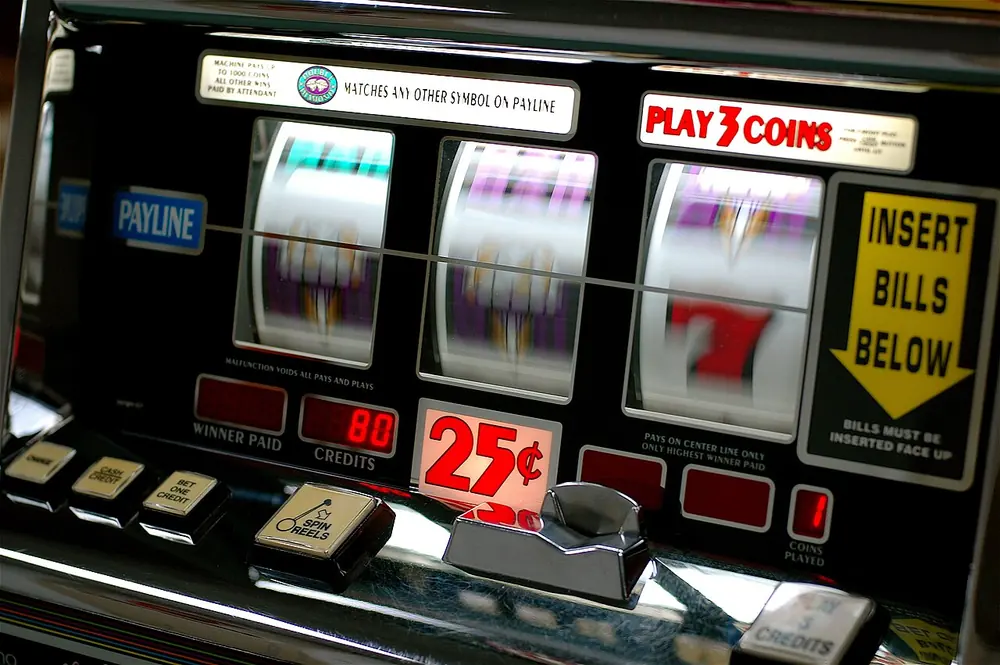
There's something about a progressive jackpot ticker. The number keeps climbing while you watch, and every spin feels like it could be the one. That's exactly what these games are designed to make you feel, so let's slow down and look at what's really going on. In this guide I'll explain how progressive jackpots grow, the different kinds you'll run into at crypto casinos, what part of the RTP is actually the jackpot, how rare the big hits are, and what happens when somebody wins a large one in Bitcoin or USDT. Think of it as the talk I'd give a buddy before he puts his paycheque into a slot because the meter says seven figures.
The fine print first. You need to be 19 or older in most provinces (18 in Manitoba and Quebec). This site does not serve Ontario or Alberta residents. Cloudbet, the casino we link to on this page, holds a Curaçao licence and is not licensed or authorized by any Canadian province or by Loto-Québec. Jackpot games change all the time and we can't promise any specific title is in Cloudbet's lobby when you read this. Every dollar amount in the examples is made up to show the math.
What a progressive jackpot actually is
A normal slot pays from a fixed paytable. Five of the top symbol pays, say, 1,000 times your bet, every time. A progressive slot adds a prize that isn't fixed. A small slice of every qualifying bet goes into a pot, the pot grows until somebody wins it, and then it resets to a starting amount (the "seed") and starts climbing again.
That's it. There's no magic, no due date in most cases, and no memory. The pot is just money other players have already lost, pooled together and waiting for one lucky spin.
The four types you'll see
| Type | Where the money comes from | Typical size | What to know |
|---|---|---|---|
| Standalone | Bets on that one game at that one casino | Smallest | Grows slowly, hits more often |
| Local or in-house | Several games at one casino share a pot | Small to medium | Specific to the casino brand |
| Network (wide-area) | Players across many casinos on the same provider | Largest, can reach millions | Very rare top hits; huge seed and growth |
| Must-drop (time or cap) | Bets on the game, with a promise to pay by a time or before a cap | Small to medium | Changes the math near the deadline |
Many games also stack several tiers, often called Mini, Minor, Major and Mega (or Grand). The small tiers pop often and keep you playing. The top tier is the one on the billboard, and it's the one that almost never lands.
Network jackpots and the famous big wins
The biggest online jackpots come from networks where a game is linked across many casinos. The best-known example is Mega Moolah, a game whose top jackpot has paid out tens of millions over the years. When you spin a network game at a crypto casino, your bet usually contributes to the same pot as players at hundreds of other sites, which is why the meter moves so fast.
The flip side: the bigger the pool of players, the rarer each top win has to be for the math to work. If a pot regularly reaches millions, it means millions of spins went into it without a winner. Your chance on any single spin is tiny. That's not a reason to never play, but it's a reason to treat the top prize as a lottery ticket attached to a slot, not a plan.
Where the RTP goes: the split nobody explains
Every slot has a return to player, or RTP, which is the long-run percentage of bets paid back. On a progressive slot that RTP is split into two parts:
- Base game RTP: what the normal reels, free spins and features pay back.
- Jackpot contribution: the slice of each bet that feeds the pot.
Here's a made-up example. Say a slot advertises an overall RTP of 94%. The provider's info sheet might show that the base game pays around 89% and the jackpot accounts for around 5%. In your real sessions, unless you hit the jackpot, you're effectively playing an 89% slot. That's noticeably worse than a typical non-progressive slot in the mid-90s.
Another way to say it: everyone who plays the game without winning the big prize pays a little extra for the dream. Most players never get that 5% back. One player, eventually, gets all of it at once.
Check the game's help or info screen for the actual numbers. Many providers publish both the base and the total. If a game only shows one figure, assume the jackpot is part of it.
How rare is the top prize, really?
Providers don't usually publish exact jackpot odds, and for many games the chance depends on your bet size. But you can get a feel for it. Imagine a network pot that seeds at $1,000,000 and is usually won when it's somewhere around $5,000,000. If 1% of each bet goes to the pot, then roughly $400,000,000 in total bets went in between seed and win (4 million in growth divided by 0.01). At $1 a spin, that's around 400 million spins. Even if your odds are better at max bet, the scale is in the hundreds of millions.
Compare that with a big Canadian lottery like Lotto Max, where the odds of the top prize are in the tens of millions to one per play. Many network slot jackpots are in the same ballpark or longer. The difference is you can spin a slot hundreds of times an hour, so you burn through money far faster chasing it.
Bet size and eligibility
This one catches people out. Some progressive games give you a bigger chance at the jackpot when you bet more, or only make you eligible for the top tier at a certain bet level. Others give everyone a shot at any stake, with the chance scaled by bet size. Read the rules screen before you spin:
- Is there a minimum bet to qualify for the top tier?
- Does a bigger bet raise my chance proportionally?
- Is the jackpot triggered by a bonus wheel, a symbol combination or a random event after any spin?
If the top tier requires max bet and max bet is more than you're comfortable with, the honest answer is to play the non-jackpot version or a smaller game. Don't stretch your bankroll to "qualify".
Must-drop jackpots: the one place math gets interesting
Must-drop jackpots promise to pay before a deadline, either a time (for example, every day before a certain hour) or a cap (it must drop before reaching a certain amount). That changes the picture. Early in the cycle, the pot is small and your chance of being the one who triggers it is low. As the pot nears its cap or deadline, the chance per spin rises because it has to land somewhere soon.
Some advantage-minded players only play these when they're near the cap. In theory that improves your expected value. In practice:
- Lots of other players are watching the same meter, so many people pile in at once.
- The base game still has its own house edge, often reduced because of the jackpot contribution.
- The prize is shared across everyone playing, so you still need luck to be the one.
Treat a near-cap must-drop as "a bit less bad", not as a sure thing.
A made-up session to show the swings
Let's say you take $200 to a progressive slot with a base RTP of 89% and play $1 spins. Over 400 spins you'd expect, on average, to lose around $44 from the base game alone ($400 wagered times 11%). In real life, variance means you might lose your whole $200 in 150 spins, or hit a feature and finish up $100. The jackpot chance over those 400 spins is so small that, for budgeting purposes, it's basically zero.
| Session plan | Spins | Total wagered | Expected base-game loss at 89% |
|---|---|---|---|
| $0.50 spins, 1 hour | ~500 | $250 | ~$27.50 |
| $1 spins, 1 hour | ~500 | $500 | ~$55 |
| $2 spins, 1 hour | ~500 | $1,000 | ~$110 |
Those are averages. Your actual result will usually be further from the average than you expect, in both directions, because progressive slots are very high volatility. Budget for the bad case, not the average one.
Progressive slots vs regular slots
| Point | Progressive | Regular non-jackpot slot |
|---|---|---|
| Typical base RTP | Lower, because part goes to the pot | Often mid-90s |
| Volatility | Very high | Low to high, your choice |
| Biggest possible win | Life-changing, but very rare | Capped by the paytable |
| Session length on a set budget | Shorter on average | Longer on average |
| Good for | A small "lottery" side bet on your fun budget | Entertainment that lasts |
If you like feature-heavy slots without a jackpot, our Megaways slots guide covers how those reels work.
Playing progressives at a crypto casino
At a crypto casino your balance is held in a coin such as BTC, ETH or USDT. The game itself usually runs in a fiat value (often US dollars) and the casino converts your stake behind the scenes. A few things are different from a provincial site:
- Volatile coins move your balance. If you hold BTC and its price falls, your balance falls in dollar terms even if you don't spin. A stablecoin like USDT avoids that.
- Game availability varies. Network jackpot providers decide which casinos can carry their games. Not every crypto casino has every famous title, and availability can depend on your country.
- Jackpot payout terms. Some providers or casinos pay very large wins in instalments or have extra checks. Read the casino's terms and the game rules.
How the jackpot gets triggered
Not every progressive decides its winner the same way, and the trigger affects how the game feels:
- Symbol combination. The classic style: land a specific line of jackpot symbols, usually at a qualifying bet. Old-school, easy to understand, very rare.
- Bonus wheel. Many modern network games use a wheel. A rare trigger takes you to the wheel, and the wheel then decides which tier you win. Getting to the wheel feels exciting, but most spins of the wheel land on the small tiers.
- Random trigger. Some jackpots can fire after any spin, regardless of what the reels show. Your chance is usually tied to your bet size.
- Pick-and-match games. A bonus screen where you reveal tiles until you match three of a tier. The outcome is decided by the game's random number generator, not by your picks, no matter how it feels.
Whatever the trigger, the underlying result comes from the game's certified random number generator. Nothing you do with timing, stop buttons or "hot" machines changes the odds on a given spin.
19+ (18+ in AB, MB, QC). Crypto deposits. Cloudbet is licensed in Curaçao, not by any Canadian province. Not for Ontario or Alberta residents. Ad: we may earn a commission. Bet only what you can afford to lose.
Reading a game's info screen, step by step
Before you spin a progressive for real money, open the little "i" or menu icon and look for these lines. It takes two minutes and tells you more than any review:
- Total RTP and base RTP. If the game lists both, the gap between them is the jackpot contribution. A gap of 3 to 6 points is common on network games.
- Jackpot tiers and seeds. What each tier resets to after a win. A high seed on the top tier means the network expects a lot of play between hits.
- Eligibility. Whether all bets qualify, or only bets above a certain level.
- Bet-size scaling. Whether a higher stake raises your jackpot chance.
- Max win and payout notes. Any cap per spin, and whether big wins can be paid in instalments.
- Malfunction clause. The standard "malfunction voids all pays" line. It rarely matters, but it's there.
If you can't find this information, that's a reason to pick a different game.
Daily drops and Canadian time zones
Time-based must-drop jackpots usually run on a fixed clock set by the provider or casino, often in UTC or a European time zone, not your local time. A pot that "must drop by midnight" may mean late afternoon or early evening in Vancouver, and evening in Montreal. Check the timer on the game itself rather than guessing. And remember that the closer the clock gets, the more players arrive, so being there near the end doesn't make it yours.
Picking a coin for jackpot play
| Coin | Upside | Downside for jackpot play |
|---|---|---|
| USDT or USDC | Stable dollar value, easy budgeting | Network choice must match exactly |
| BTC | Accepted everywhere | A big win can shrink or grow with the price before you cash out |
| ETH | Widely accepted | Price swings, mainnet fees |
| LTC | Cheap, quick transfers | Price swings |
For most people a stablecoin is the sane choice. You know what your budget is in dollars before, during and after the session.
Spinning jackpots on your phone
Most jackpot games today are built mobile-first, so they run fine in a phone browser at most crypto casinos. That convenience is also the risk. A phone is always in your pocket, the meter is always one tap away, and a "quick ten spins" on the bus turns into an hour. A few habits help:
- Turn on the casino's deposit and session limits before you play, not after a bad night.
- Keep the casino out of your home screen and don't save your login.
- Don't keep a large crypto balance sitting in the casino account. Move what you won't play back to your own wallet.
- Watch your data and battery: a dropped connection mid-bonus is usually handled by the game resuming when you reconnect, but check the game rules.
If you notice you're opening jackpot games when you're bored, stressed or can't sleep, that's a pattern worth paying attention to.
Where Cloudbet fits
Cloudbet is the crypto casino we link to on this page. It carries slots from a range of providers, and its lobby has had jackpot-style games, but titles come and go and we haven't verified a full list of progressives available to Canadian players. Use the search or filters in the casino lobby, open the game's info screen, and check the RTP split and jackpot rules before you spin. If a specific famous jackpot game isn't there, don't assume a lookalike has the same pot. It almost certainly doesn't.
Cloudbet is licensed in Curaçao, not by any Canadian province. If you prefer a provincially authorized site, PlayNow (BC, Manitoba, Saskatchewan) and Loto-Québec carry their own jackpot slots and pay in dollars.
What happens if you actually win big
Say you're the lucky one. Here's what to expect and what to do:
- Screenshot everything. The win screen, your balance, the game name, the time.
- Don't panic-withdraw in one go. Read the casino's withdrawal limits and verification rules first.
- Expect identity checks. Large wins almost always trigger KYC verification, even at casinos that don't ask for ID on small amounts. Have your documents ready.
- Check payout terms. Some jackpots are paid in instalments or by the provider directly. Know which before you plan anything.
- Withdraw to a wallet you control. Send a small test first.
- Keep records. Every transaction ID, every date.
Taxes for Canadians
For recreational players, gambling winnings in Canada are generally not taxed. Crypto is treated as property by the Canada Revenue Agency, though, so if you win in BTC and the price rises before you sell, the gain on that rise can be a capital gain. If it falls, that can be a capital loss. Holding winnings in a stablecoin keeps this simple. For a large win, speak to a Canadian tax professional before you move anything around.
Legal picture in Canada
Under the Criminal Code, provinces conduct and manage gambling. The authorized online options are the provincial sites: PlayNow in BC, Manitoba and Saskatchewan, Loto-Québec in Quebec, and the Atlantic Lottery Corporation in the Atlantic provinces. Offshore crypto casinos like Cloudbet aren't authorized by any province. Plenty of Canadians use them anyway, but you don't get provincial player protection if something goes wrong.
Mistakes I see all the time
- Believing a jackpot is "due" because the meter is high on a non-must-drop game.
- Ignoring the base RTP and playing an 88% game all night for a prize that almost never lands.
- Raising the bet to max to "qualify", way beyond budget.
- Assuming a casino carries the famous network jackpot it advertises elsewhere.
- Holding a big balance in a volatile coin.
- Chasing losses with jackpot spins because "one hit fixes everything".
A simple plan if you want a shot
- Decide the total you're willing to spend on jackpot spins this month, and treat it like a lottery ticket budget.
- Pick one game. Read its info screen: base RTP, jackpot contribution, eligibility rules.
- Choose a stake you could repeat 200+ times within that budget.
- Set a time limit and use the casino's deposit limit tools.
- When the budget is gone, you're done. No top-ups.
Need to talk to someone?
Jackpot meters are built to keep you spinning. If you're chasing losses, hiding how much you play or betting money meant for bills, reach out. Free, confidential help is available 24/7:
- Gambling Support BC: 1-888-795-6111
- Manitoba: 1-800-463-1554
- Saskatchewan: 1-800-306-6789
- Quebec, Jeu : aide et référence: 1-800-461-0140
My take
Progressive jackpot slots sell a dream, and the dream is real for somebody, just almost certainly not on any given night for you. The price of that dream is a lower base RTP and very high volatility. If you enjoy them, use them like a lottery ticket: small, budgeted, with no expectation of winning. Read each game's info screen, be careful with max-bet rules, hold your balance in a stablecoin if you use crypto, and know what happens with KYC and payouts if lightning does strike. And if you'd rather have provincial protection, PlayNow and Loto-Québec have jackpot games too.
Questions players ask
What is a progressive jackpot slot?
A slot where a small part of each qualifying bet goes into a shared prize pot that keeps growing until someone wins it, then resets to a starting amount.
Are progressive jackpot slots worth playing?
They have a lower base-game RTP than most regular slots because part of each bet funds the jackpot, and the top prize is extremely rare. Treat them like a small lottery-ticket budget, not a way to make money.
Is a jackpot ever 'due'?
Not on standard progressives. Each spin is independent. Must-drop jackpots are different: they must pay before a deadline or cap, so your chance per spin rises as it gets close.
Can I play progressive jackpot slots with crypto in Canada?
Many crypto casinos, including Cloudbet, carry jackpot-style slots, though titles vary and change. Cloudbet holds a Curaçao licence and isn't licensed by any province. This site doesn't serve Ontario or Alberta residents.
Do I pay tax on a jackpot win in Canada?
For recreational players, gambling winnings are generally not taxed in Canada. If you win in crypto and its value changes before you sell, that change can be a capital gain or loss.
Will a crypto casino ask for ID if I win big?
Usually yes. Large wins and large withdrawals almost always trigger identity verification, even at casinos that don't ask for ID on small amounts.
Where can I get help with gambling in Canada?
Gambling Support BC 1-888-795-6111, Manitoba 1-800-463-1554, Saskatchewan 1-800-306-6789, Quebec Jeu : aide et référence 1-800-461-0140. All free, confidential and 24/7.
19+ (18+ in AB, MB, QC). Crypto deposits. Cloudbet is licensed in Curaçao, not by any Canadian province. Not for Ontario or Alberta residents. Ad: we may earn a commission. Bet only what you can afford to lose.
If betting is costing you more than money, free 24/7 help is a phone call away. British Columbia: Gambling Support BC 1-888-795-6111. Alberta: Addiction & Mental Health Helpline 1-866-332-2322. Manitoba: Problem Gambling Helpline 1-800-463-1554. Saskatchewan: Problem Gambling Helpline 1-800-306-6789. Quebec: Jeu : aide et référence 1-800-461-0140. Elsewhere, call 211 to find your provincial service.