What Is a Prop Bet? Player, Team and Game Props Explained With Simple Maths for Canadian Bettors
Welcome bonus for new players + fast crypto payouts. Just helping a brother out.
19+ (18+ in AB, MB, QC). Crypto deposits. Cloudbet is licensed in Curaçao, not by any Canadian province. Not for Ontario or Alberta residents. Ad: we may earn a commission. Bet only what you can afford to lose.

You don't always care who wins the game. Sometimes you just want to know if your favourite winger scores, whether the goalie stops 30 shots, or if the Grey Cup goes over a certain number of points. Those are prop bets, and for a lot of Canadian bettors they're the most fun part of the menu. Let's break down what a prop bet is, the main types you'll see, how to read the lines, a simple bit of maths for pricing them yourself, and the rules that catch beginners off guard.
Quick ground rules: 19+ in most provinces, 18+ in Manitoba and Quebec. This site doesn't serve Ontario or Alberta residents. Cloudbet, which we link to, holds a Curaçao licence and is not authorized by any Canadian province. Every price and stat on this page is an illustrative example, not a live line or a tip.
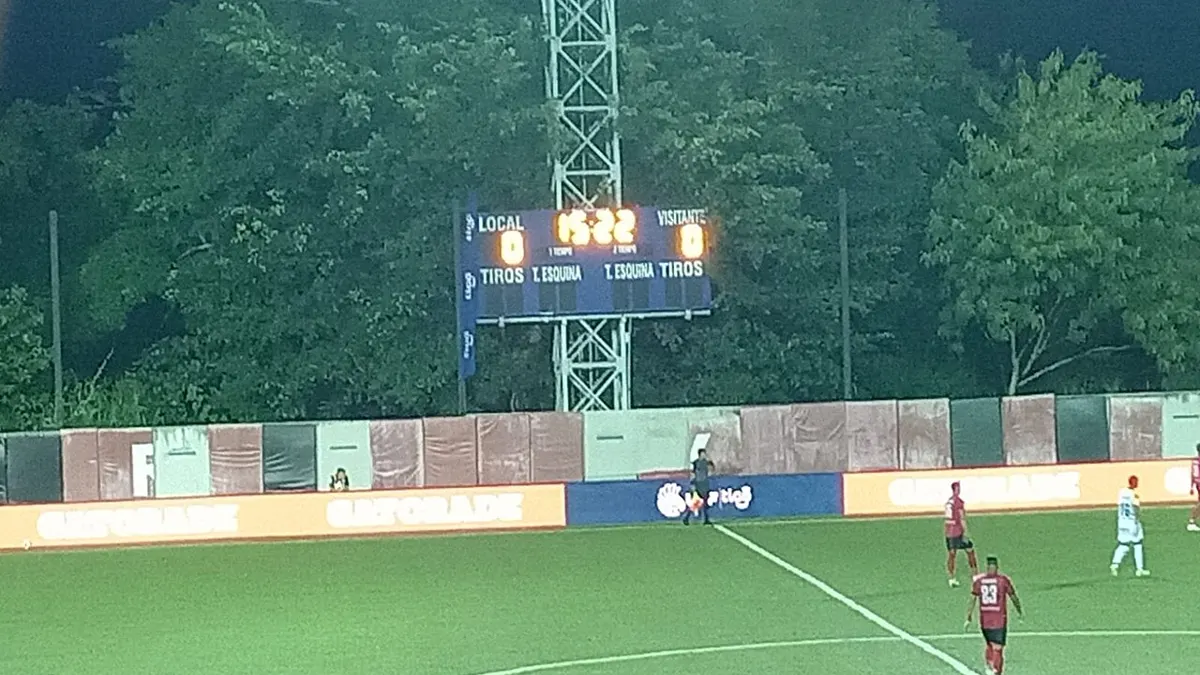
The short definition
A prop bet (short for "proposition bet") is a wager on something that happens during a game other than the final result. Instead of "who wins," you're betting on a specific event or stat: a player's points, a team's first goal, the number of penalties, or whether a game goes to overtime.
Some props still connect to the result, like "team to score first." Many don't at all. A player can hit his shots-on-goal over in a game his team loses 5–1. That independence is part of why people like them.
The four main families of props
| Type | What you're betting on | Examples |
|---|---|---|
| Player props | One athlete's stats or actions | Anytime goalscorer, shots on goal, points, passing yards, rebounds |
| Team props | One team's stats, not the result | Team total goals, first team to score, power-play goal yes/no |
| Game props | Something about the whole game | Goes to overtime, total penalties, both teams to score, first-period total |
| Novelty / special props | Events outside normal stats | Awards like the Hart Trophy, coin toss at a big final, draft position |
On a big night like a playoff game, a sportsbook can offer hundreds of props on a single match. That's great for choice, but it's also a sign of how much work the book does to price them, and how much margin it can hide in the menu.
How prop lines are written
Most props come in one of two shapes.
Over/under props
The book sets a number with a half point so there can't be a tie, and you pick a side:
| Prop (illustrative) | Over | Under |
|---|---|---|
| Player shots on goal 2.5 | 1.85 | 1.95 |
| Goalie saves 27.5 | 1.90 | 1.90 |
| CFL quarterback passing yards 265.5 | 1.87 | 1.93 |
Yes/no props
Just a yes or a no, sometimes only the "yes" is offered:
- Player to score a goal (anytime): Yes 3.20
- Game to go to overtime: Yes 4.00 / No 1.22
- Both teams to score in the first period: Yes 2.30 / No 1.57
If your book uses American odds (+220, −110), our odds calculator converts them to decimal and implied probability.
Why props usually carry a bigger margin
Look at that shots-on-goal line: over 1.85, under 1.95. Implied probabilities are 1 ÷ 1.85 = 54.05% and 1 ÷ 1.95 = 51.28%. Together that's 105.3%, so the book's edge is about 5.3 points.
Compare that with a main-market NHL moneyline, which is often priced tighter. Props tend to have wider margins for a few reasons:
- They're harder to price exactly, so books build in a cushion.
- Less money is bet on each prop, so the price isn't sharpened by heavy action.
- Fans love betting "yes" and "over" on star players, which lets books shade those prices.
Look at the overtime example: Yes 4.00 and No 1.22 add up to 25% + 81.97% = 106.97%. That's a margin of almost 7 points. Yes/no props with one side heavily favoured often carry the biggest edges. Before you bet, add up both sides. If the total is way over 100%, you're paying a lot for the privilege.
A simple way to price a prop yourself
You don't need a degree to get a rough fair price. For counting stats that happen a few times per game (goals, shots, assists), a simple model called the Poisson distribution gets you in the ballpark. It's not perfect, but it's way better than guessing.
Example: anytime goalscorer
Say a forward averages about 0.40 goals per game this season, and his ice time and matchup tonight look normal. The chance he scores at least once is roughly:
1 − e−0.40 ≈ 1 − 0.670 = 33%
A 33% chance means fair odds of about 1 ÷ 0.33 ≈ 3.03. If your book offers 3.20 (31.25% implied), you have a small edge on paper. If it offers 2.60 (38.5% implied), the price is too short and you should pass, even if you're a big fan.
With 10 dollars at 3.20 and your 33% estimate, the expected value is 0.33 × 22 − 0.67 × 10 = 7.26 − 6.70 = about +C$0.56 per bet over the long run. Small, but that's what a real edge usually looks like.
Example: shots on goal over 2.5
Say a defenceman averages 3.1 shots per game. The Poisson chance of 3 or more shots is roughly:
1 − e−3.1 × (1 + 3.1 + 3.1² ÷ 2) ≈ 1 − 0.045 × 8.905 ≈ 60%
Fair odds around 1.67. If the over is offered at 1.85 (54% implied), it looks like value on paper. Real shot counts are a bit more spread out than Poisson assumes, so treat this as a starting point. Adjust for power-play time, the opponent's shot-blocking habits, and whether he's on a back-to-back.
Settlement rules that trip people up
This is where props get sneaky. Always read the house rules, but here are the common ones:
| Situation | Typical rule (check your book) |
|---|---|
| Player doesn't dress / doesn't play | Bet usually voided and stake returned |
| Player gets hurt mid-game | Bet usually stands if he took the ice or field |
| Overtime in hockey | Often counts for player stats; regulation-only markets say so |
| Shootout goals | Usually do not count as goals for goalscorer props |
| Own goals | Don't count for anytime goalscorer |
| Stat corrections | Books settle on official stats, sometimes with a cutoff time |
| Blocked or missed shots | Don't count as shots on goal |
The overtime question is huge in hockey. Our page on whether NHL bets include overtime explains the difference between 60-minute and full-game markets. A "regulation-time" prop and a full-game prop can settle completely differently on the same night.
Props on Canadian sports
NHL
Hockey is prop heaven: anytime goalscorer, first goalscorer, points (goals plus assists), shots on goal, goalie saves, power-play points, and period totals. First goalscorer pays much bigger odds than anytime, because it's a much harder bet to win. Only one player can score first, and sometimes nobody does in regulation.
Want team-specific ideas? Check our Canucks prop bets guide or the Winnipeg Jets prop bets guide.
CFL
Quarterback passing yards, receiving yards, touchdown scorers and team totals are the main ones. The three-down game and the wider, longer field change how stats pile up compared with the NFL, so don't copy NFL instincts blindly. See our CFL prop bets guide.
NBA and MLB
For the Raptors, props on points, rebounds, assists and threes are everywhere. In baseball, think strikeouts for pitchers and hits or total bases for batters. Pitcher props often depend on the listed starter actually starting, so check what happens if there's a late change.
Awards and specials
Season-long props like the Hart Trophy or Calder Trophy are a kind of futures bet. Your money is locked for months and margins are usually wide. Our NHL draft betting odds page shows how these long-range markets are priced.
19+ (18+ in AB, MB, QC). Crypto deposits. Cloudbet is licensed in Curaçao, not by any Canadian province. Not for Ontario or Alberta residents. Ad: we may earn a commission. Bet only what you can afford to lose.
Correlation: props that move together
Some props are linked. If a team's top line has a big night, the centre's assists, the winger's goals and the team total all go up together. Books know this. Many won't let you combine related props in a regular parlay. When they do allow it (same-game parlays), they adjust the price, often with a bigger margin baked in.
The flip side is useful too. If you bet a player's points over, betting the opposing goalie's saves over in the same game isn't a hedge. They can both win or both lose together, so think about how your bets relate before you stack them.
How to approach props without blowing your budget
- Specialize. Pick one sport and one or two prop types (say, NHL shots on goal) and learn them well.
- Check lineups. Line combinations, power-play units and goalie starts move prop values more than anything else.
- Add up both sides to see the margin before you bet.
- Do a quick fair-price estimate with the averages and the formulas above.
- Bet only when the gap is real, and keep stakes small. Props are volatile.
- Track every bet, including the price you got and the closing price, so you can tell skill from luck after a few hundred bets.
Common prop mistakes
- Always betting "yes" and "over" on stars. That's exactly what books expect, and prices are often shaded for it.
- Forgetting shootout and overtime rules on hockey props.
- Chasing first goalscorer odds because the payout looks huge. The probability is tiny, and the margin across the whole market is usually large.
- Stacking correlated props in a parlay and thinking you've spread the risk.
- Using season averages blindly when a player's role, line or minutes have just changed.
Props and live betting
Many props stay open during the game and update with every shift. Live props can be fun, but the margins are often wider and the bet delay means prices can move before your ticket is accepted. Have your account funded beforehand, and set a firm limit for in-game bets before puck drop.
Funding and verification on offshore books
If you use an offshore sportsbook like Cloudbet, deposits are often in crypto. Think about every bet in Canadian dollars, because coin prices can move while your bet is open. On Cloudbet, stronger ID checks typically kick in around about US$2,200 in cumulative deposits, and any book can ask for documents when you withdraw. Use your own name and your own ID, always. Provincial sites (PlayNow in BC, Manitoba and Saskatchewan, Loto-Québec in Quebec, and the Atlantic provinces' products) are the regulated option where they're available. Our page on whether online betting is legal in Canada explains the difference honestly.
Keep it fun
Props are quick and exciting, which makes them easy to overdo. Set a budget for the night and stick to it. If you find yourself firing off props to win back earlier losses, step away. Free provincial helplines are listed on our responsible gambling page, including Gambling Support BC at 1-888-795-6111 and Jeu : aide et référence in Quebec at 1-800-461-0140.
My take
A prop bet is a bet on what happens inside the game instead of who wins it. They're fun, they reward people who really follow lineups and roles, and they often carry wider margins than main markets. Add up both sides to see what you're paying, use a quick Poisson estimate for counting stats, know the overtime and shootout rules cold, and keep your stakes small. Pick one niche, learn it inside out, and let the casual crowd chase first goalscorer long shots.
Questions players ask
What is a prop bet?
A prop (proposition) bet is a wager on a specific event or stat during a game rather than the final result, such as a player scoring, a goalie's saves, or whether the game goes to overtime.
What are the main types of prop bets?
Player props (one athlete's stats), team props (one team's stats), game props (something about the whole game) and novelty or special props like awards and draft positions.
Do shootout goals count for NHL goalscorer props?
Usually not. Most books count goals in regulation and overtime but not shootout goals for goalscorer props. Check your book's house rules.
What happens to a prop bet if the player doesn't play?
On most books, the bet is voided and your stake is returned if the player doesn't dress or take part. If he plays and then gets hurt, the bet usually stands.
Why do prop bets have bigger margins?
They're harder to price, attract less money per market, and fans tend to bet overs and yes on stars, so books build in a larger cushion. Add up both sides' implied probabilities to see the margin.
Can I parlay prop bets?
Sometimes. Many books block related props in a standard parlay. Same-game parlays allow them but adjust the price, often with a larger margin.
Is Cloudbet licensed in Canada?
No. Cloudbet holds a Curaçao licence and is not authorized by any Canadian province. This site does not serve Ontario or Alberta residents.
19+ (18+ in AB, MB, QC). Crypto deposits. Cloudbet is licensed in Curaçao, not by any Canadian province. Not for Ontario or Alberta residents. Ad: we may earn a commission. Bet only what you can afford to lose.
If betting is costing you more than money, free 24/7 help is a phone call away. British Columbia: Gambling Support BC 1-888-795-6111. Alberta: Addiction & Mental Health Helpline 1-866-332-2322. Manitoba: Problem Gambling Helpline 1-800-463-1554. Saskatchewan: Problem Gambling Helpline 1-800-306-6789. Quebec: Jeu : aide et référence 1-800-461-0140. Elsewhere, call 211 to find your provincial service.