USDC Betting Sites in Canada for the NHL: How to Pick One, Fund It, Price Hockey Bets in C$ and Avoid the Usual Stablecoin Mistakes

If you bet hockey with crypto in Canada, USDC is probably the coin that makes the most sense. It's pegged to the US dollar, so your bankroll doesn't drop 8% overnight because Bitcoin had a bad Tuesday, and it's still easy to buy on Canadian-registered platforms. But "USDC betting site" covers a lot of very different operators, and NHL bettors have their own quirks: lots of games, thin margins on moneylines, juicy-looking props and a C$/US$ conversion hiding in every bet. Here's how I'd walk a buddy through picking a site and actually using USDC well for the NHL season.
Ground rules first: the legal gambling age is 19 in most provinces and 18 in Manitoba and Quebec. Provincial sites (PlayNow, Loto-Québec's Mise-o-jeu, ALC's Proline) are the regulated options, and none of them take crypto. Cloudbet, which we link to, holds a Curaçao licence and is not authorized by any Canadian province; see our legality page. This site doesn't serve Ontario or Alberta residents. Prices on this page are made-up examples, not tips.
19+ (18+ in AB, MB, QC). Crypto deposits. Cloudbet is licensed in Curaçao, not by any Canadian province. Not for Ontario or Alberta residents. Ad: we may earn a commission. Bet only what you can afford to lose.
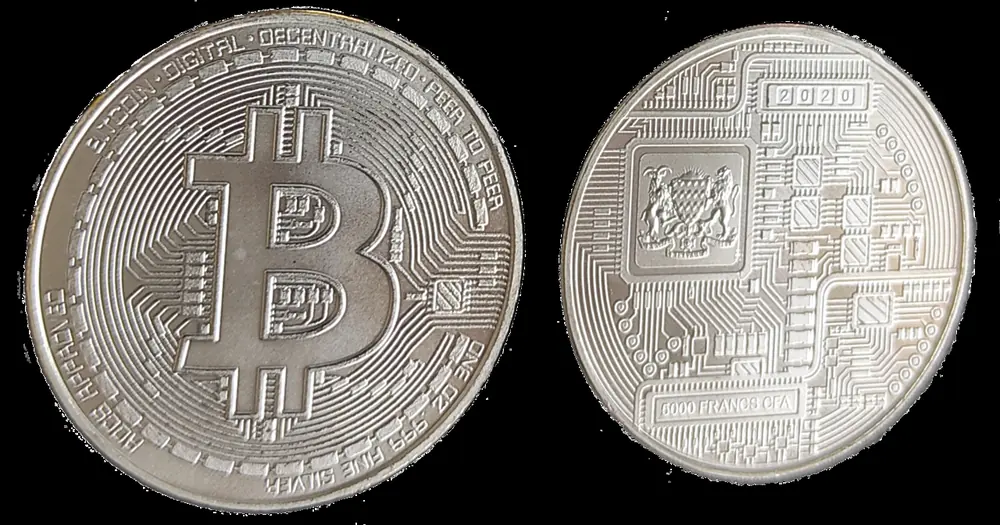
Why USDC and not USDT or Bitcoin?
There are three common ways to fund a crypto sportsbook: a volatile coin like BTC or ETH, Tether (USDT), or USD Coin (USDC). For Canadians, USDC has a few practical advantages.
- It's stable. One USDC is designed to be redeemable for one US dollar. Your bankroll moves with the C$/US$ exchange rate, which shifts a little, not with crypto markets, which can swing hard in a week.
- It's easy to get in Canada. After the Canadian Securities Administrators tightened rules on stablecoins in 2023, many Canadian-registered trading platforms stopped offering USDT to Canadian clients, while USDC has generally remained available. That means you can usually buy USDC with Interac e-Transfer or a bank transfer on a registered Canadian exchange and send it straight to a sportsbook.
- It's simpler to track. When your bankroll is in a dollar-pegged coin, your wins and losses are much easier to understand. A C$200 loss is a C$200 loss, not "a C$200 loss plus the 6% ETH dropped while I was watching the third period."
The trade-off is that a US-dollar stablecoin isn't Canadian dollars. If the loonie strengthens against the US dollar while your money sits on the sportsbook, your USDC is worth a little less in C$ when you cash out, and the other way around. That's usually a few percent over a season, not a disaster, but it's real. We'll come back to it.
What makes a good USDC sportsbook for NHL bettors
There's no regulator in Canada vetting offshore crypto books for you, so you have to do the checking yourself. Here's the list I'd go through before depositing a cent.
| What to check | Why it matters for NHL bettors | Red flag |
|---|---|---|
| Which USDC networks it accepts | Cheap networks mean you can deposit and withdraw small amounts during the season | Only accepts USDC on Ethereum mainnet, where fees can be high |
| NHL market depth | You want puck lines, totals, period bets and player props, not just a moneyline | Only full-game moneylines, few props |
| Margins on NHL moneylines | Small differences add up over an 82-game season per team | Both sides of an even game priced around 1.85 or lower |
| Clear hockey rules (OT, shootout, props) | NHL settlement has lots of quirks | No hockey rules page, or rules that contradict each other |
| Withdrawal terms and verification triggers | You need to know when the book will ask for ID before you win | Vague "we may request documents at any time" with no thresholds |
| Licence and complaints process | Offshore books aren't covered by a provincial regulator | No licence number, or a licence you can't look up |
| Bet limits | Some books cap NHL props at tiny stakes | Max bets that change without notice |
The one we link to, Cloudbet, accepts USDC, lists the NHL with puck lines, totals, period markets and player props, and publishes a hockey rules section. It holds a Curaçao licence, not a Canadian one. That's the honest picture: it's a well-known crypto book, but if something goes wrong, your recourse is the operator and its foreign licensing body, not a provincial regulator.
Step by step: funding a sportsbook with USDC from Canada
- Open an account on a Canadian-registered crypto platform if you don't have one. Registered platforms will verify your identity. That's normal and it protects you.
- Buy USDC with Canadian dollars using Interac e-Transfer or a bank transfer. Note the exchange rate and any fees. Your effective C$ cost per USDC is what you'll compare against later.
- Check which network the sportsbook accepts for USDC. Open the deposit page on the sportsbook and pick USDC. It will list one or more networks.
- Pick a network both sides support, ideally a low-fee one. The network on the exchange's withdrawal screen must match the network on the sportsbook's deposit screen exactly.
- Copy the deposit address from the sportsbook. Paste it, don't type it. Check the first and last few characters.
- Send a small test amount first, say 10 USDC. Wait for it to arrive. Only then send the rest.
- Write down the date, amount, C$ cost and transaction ID. You'll want these for your own records and for tax purposes.
The most common expensive mistake is sending USDC on one network to an address on another. Depending on the networks involved, those funds can be very hard or impossible to recover. The test transaction costs you a few cents and saves you that headache.
Thinking in C$ when the bankroll is in USDC
Here's a habit that keeps you honest: decide your bankroll and your stakes in Canadian dollars, then convert to USDC.
Say you've set aside C$500 for the NHL season. At an example exchange rate of 1 USDC = C$1.37, that's about 365 USDC. If your unit is 1% of bankroll, that's C$5, or roughly 3.65 USDC per bet. Round to something easy, like 3.5 or 4 USDC, and stick to it.
| Bankroll (C$) | USDC at C$1.37 | 1% unit (USDC) | 2% unit (USDC) |
|---|---|---|---|
| C$250 | ~182 | ~1.8 | ~3.6 |
| C$500 | ~365 | ~3.7 | ~7.3 |
| C$1,000 | ~730 | ~7.3 | ~14.6 |
| C$2,000 | ~1,460 | ~14.6 | ~29.2 |
The exchange rate in the table is an example. Use the rate you actually paid. And remember that a 1% or 2% unit is about protecting yourself from bad streaks, which in hockey come often. A good team can lose five in a row on bounces and hot goalies.
NHL markets that suit a USDC bankroll
Using a stablecoin doesn't change how bets work. But because your stakes are small and steady, some markets fit better than others.
Moneyline
The cleanest NHL bet: pick the winner, overtime and shootout included. Margins are usually the lowest here, which matters when you're betting a lot of games. Hockey has a lot of randomness, so don't expect to win 70% of your moneyline bets on favourites. Look for prices you think are wrong, not teams you like.
Puck line
The -1.5 / +1.5 spread. Remember that any game going to overtime ends with a one-goal margin, so -1.5 favourites need a two-goal regulation win, often helped by empty-net goals. +1.5 underdogs are short-priced for that reason. Our guide on whether NHL bets include overtime goes through the settlement rules market by market.
Totals
Over/under on combined goals, usually 5.5 or 6.5. Goalie matchups drive totals more than anything else. Starting goalies are often confirmed only a few hours before puck drop, so if you bet totals early, you're guessing who's in net.
Period markets
First-period totals and winners. Lower scoring means more variance, but some bettors like them because team tendencies (fast starters, slow starters) can show up more clearly.
Player props
Shots on goal, points and goalie saves. Fun, but margins are usually higher and limits lower. Treat them as small side bets, not your main play.
Decimal or American odds? Converting quickly
Most crypto books show decimal odds by default, while a lot of Canadian hockey coverage quotes American odds. Here's the quick conversion so you can compare a price you saw on TV with the one on your screen.
| American | Decimal | Implied chance | Profit on 4 USDC |
|---|---|---|---|
| -200 | 1.50 | 66.7% | 2.00 USDC |
| -150 | 1.67 | 60.0% | 2.67 USDC |
| -110 | 1.91 | 52.4% | 3.64 USDC |
| +100 | 2.00 | 50.0% | 4.00 USDC |
| +130 | 2.30 | 43.5% | 5.20 USDC |
| +200 | 3.00 | 33.3% | 8.00 USDC |
For a positive American price, decimal = 1 + (price ÷ 100). For a negative one, decimal = 1 + (100 ÷ the price without the minus sign). Once you think in implied chance, it's much easier to ask the only question that matters: does this team really win more often than the price says?
Comparing odds: a worked NHL example
Let's say the Oilers visit the Canucks. One book has Vancouver at 2.05 and Edmonton at 1.80. Another has Vancouver at 2.00 and Edmonton at 1.85. If you like Vancouver, the first book pays 0.05 more per unit. On a 4 USDC bet, that's 0.20 USDC. It sounds tiny. Over 150 bets in a season, that's 30 USDC, or around C$40 at our example rate, for doing nothing but checking two prices.
You can also work out each book's margin. At 2.05 and 1.80, the implied probabilities are 48.8% and 55.6%, total 104.3%: about a 4.3% margin. At 2.00 and 1.85, it's 50% and 54.1%, total 104.1%. The margins are close; the difference is which side each book shades. That's why comparing the specific side you want matters more than picking the "lowest margin book" overall.
Withdrawals: getting USDC back to Canadian dollars
- Read the withdrawal rules before you need them. Minimums, fees per network, processing times and when verification kicks in.
- Withdraw to an address on the same network on your Canadian exchange account. Again, test small the first time.
- Sell USDC for C$ on the exchange and withdraw to your bank.
- Record the C$ amount you received. Compare it to what you put in. That's your real result.
Offshore crypto books often say they don't require ID for smaller amounts, but most reserve the right to ask for documents at certain thresholds or if something triggers their risk checks. For example, Cloudbet's terms describe verification thresholds for larger cumulative amounts. Don't assume you'll never be asked. If you can't or won't provide ID, keep your activity well below any stated threshold, or don't use the site.
The exchange-rate effect over a season
Because USDC tracks the US dollar, your C$ result includes a currency move. Example: you buy 365 USDC at C$1.37 (C$500). By the end of the season you've broken even on bets and still have 365 USDC, but the rate is now C$1.33. You cash out C$485. You "lost" C$15 without losing a bet. If the rate went to C$1.40, you'd get back C$511.
A few percent either way over a season is normal. If that bothers you, keep your sportsbook balance small and top it up as needed rather than parking your whole season's bankroll offshore.
Taxes and records
For most Canadians, casual gambling winnings aren't taxed, but crypto transactions can have tax consequences, because buying and disposing of crypto can create a capital gain or loss. A stablecoin usually creates very small gains or losses, mainly from exchange-rate moves, but they still exist. Keep a simple spreadsheet: date, amount of USDC, C$ value, what you did (bought, deposited, withdrew, sold). If you bet a lot or professionally, talk to an accountant, because the rules are different for people whose gambling looks like a business.
Mistakes I see Canadian crypto bettors make
- Wrong network. The single most expensive mistake. Always match networks and send a test.
- Forgetting the C$ math. Thinking "I'm up 40 USDC" while forgetting what the USDC cost.
- Leaving the whole bankroll on the book. An offshore book is not a bank. Keep what you need for the week.
- Chasing NHL props late at night. West Coast games end late, and tilted bets at midnight are rarely good ones.
- Not reading the hockey rules. Overtime and shootout settlement trip up new bettors all the time.
- Assuming "no KYC" means "never KYC". Read the terms.
19+ (18+ in AB, MB, QC). Crypto deposits. Cloudbet is licensed in Curaçao, not by any Canadian province. Not for Ontario or Alberta residents. Ad: we may earn a commission. Bet only what you can afford to lose.
How to vet a USDC sportsbook in fifteen minutes
The comparison sites that rank "best NHL betting sites" mostly list provincially licensed books that don't take crypto at all, or they list crypto books without telling you how they checked them. So here's a short routine you can run yourself on any site before you send it USDC.
- Find the licence. Scroll to the footer. A real licence lists a licence number and the issuing body. For Curaçao-licensed operators, the Curaçao Gaming Authority now issues licences directly, and you can search its public register. If the footer only shows a logo with no number, or the number doesn't appear on the register, walk away.
- Read the hockey rules. Search the rules page for "overtime," "shootout," "postponed" and "player props." You want clear, specific answers. Vague rules usually get interpreted in the house's favour.
- Read the withdrawal section. Look for minimums per coin and network, fees, processing times and verification thresholds. Write them down.
- Check the bonus terms, even if you don't want a bonus. Some sites attach wagering requirements that lock your deposit if you accept a promo by accident. Know how to decline it.
- Search for complaints. Look up the site's name with "withdrawal" or "complaint" on a couple of independent forums. One angry post means little. A pattern of unpaid withdrawals means a lot.
- Test support. Ask live chat a specific question, like "which networks do you accept for USDC withdrawals and what's the minimum?" A clear answer in a few minutes is a good sign. A copy-paste non-answer isn't.
- Deposit small, withdraw small. Before you commit a season bankroll, put in 20 or 30 USDC, place a couple of bets and withdraw. A site that pays a small withdrawal smoothly isn't guaranteed to pay a big one, but a site that stalls a small one has told you everything.
USDC versus Interac on the same crypto book
Some crypto-friendly books also offer Interac or card deposits through third-party payment processors. If you have both options, here's how they compare in practice for an NHL bettor.
| Factor | USDC | Interac or card via a processor |
|---|---|---|
| Speed of deposit | Minutes, depending on network | Minutes to hours |
| Fees | Exchange spread plus a small network fee | Processor fees and sometimes a currency conversion fee |
| Withdrawals | Usually back to a crypto address, often fast | Often more limited, sometimes not available the same way |
| Bank visibility | Your bank sees a transfer to a crypto exchange | Your bank may see a gambling-coded transaction, and some banks decline them |
| Currency | US-dollar based | Depends on the book; may convert from C$ |
| Mistake risk | Wrong-network errors can lose funds | Lower, but chargebacks and declines are common |
Neither is "safer" in a regulatory sense, because both options put your money on an offshore book. USDC usually wins on withdrawal speed and predictability, which is the part that matters most once you've actually won something.
Canadian teams and the NHL calendar, from a USDC bettor's point of view
There are seven Canadian NHL teams: the Canucks, Flames, Oilers, Jets, Maple Leafs, Senators and Canadiens. If you mostly bet on them, a few patterns are worth knowing.
- Public money leans Canadian. Canadian books and crypto books with lots of Canadian customers see a flood of bets on the big Canadian clubs, especially the Leafs, Oilers and Canadiens. Popular sides can be priced a little short. That doesn't mean "always fade them," but it does mean you should compare their price with the other side rather than assuming loyalty is free.
- Western swings are brutal. When an Eastern team plays several games out West in a few days, travel and time zones can show up late in games. When the Canucks, Flames or Oilers head East, the same applies the other way. Back-to-back games, especially the second night with a backup goalie, are where prices and reality often split.
- Late puck drops, late decisions. Games starting at 10 p.m. Eastern end well after midnight in Ontario and Quebec. If you're betting live or adding props at that hour, set your limit before the game. Tired betting is bad betting.
- October and April are different seasons. Early-season prices lean on last year's results and off-season hype. Late-season games involve teams resting players or fighting for playoff spots. Motivation is real, but it's also overrated by the public, so look at the actual lineups and goalies.
Goalies: the single biggest input in NHL pricing
If you only learn one hockey betting habit, make it this: know the starting goalie before you bet. A team's price can move noticeably between a starter and a backup, and totals move too.
Starting goalies are often confirmed in the morning skate or a few hours before the game. Beat reporters and team accounts usually post them. If you bet the night before, you're taking goalie risk, and the book is pricing that uncertainty into the number. Sometimes betting early gets you a better price before the news hits. Often it just means you're on the wrong side of a backup start.
A simple rule: for moneylines and totals, wait for goalie confirmation unless you have a specific reason to bet early. For goalie saves props, never bet before the starter is confirmed. Most books void saves props if your goalie doesn't start, but you've still tied up your USDC and missed better options.
Futures in USDC: the hidden cost of waiting
Stanley Cup, division winner and award futures are fun, and the payouts look huge. But a futures bet locks your USDC on the site for months. If you put 50 USDC on a Cup future in October, that money is stuck until June unless the book offers a cash-out, which will be priced in its favour.
There are three costs to think about:
- Margin. Futures markets usually carry much bigger margins than single games. Add up the implied probabilities of every team and you'll often see well over 100%, sometimes by a lot.
- Currency drift. Your USDC sits there while the C$/US$ rate moves.
- Counterparty risk. You're trusting an offshore operator to still be around and paying in eight months.
If you like futures, keep them to a small slice of your bankroll, like 5% to 10%, and treat them as entertainment. Your weekly singles are where discipline matters.
Live betting with a stablecoin
Live NHL betting moves fast. A power play, a goalie pull or an early goal can shift prices within seconds. Your USDC is already on the book, so blockchain timing doesn't slow you down once you're funded. What slows you down is the stream: TV and streaming feeds can run well behind real time, and the book's data feed is usually faster. If you see a scoring chance on your screen and rush to bet, the price has likely already moved, or your bet will be rejected.
Live betting works best as a planned move, not a reaction. For example: "If my team is tied after the first period and has outshot the other side, I'll take them at a better moneyline price." Decide that before the game, set a stake, and don't add more bets just because the game is exciting.
Keeping your USDC safe off the sportsbook
- Turn on two-factor authentication on your exchange and your sportsbook account, using an authenticator app rather than SMS where possible.
- Whitelist withdrawal addresses if your exchange supports it, so funds can only go to addresses you've approved.
- Beware of fake support. Real support will never ask for your password, seed phrase or a "verification payment." Anyone who asks you to send crypto to "unlock" a withdrawal is running a scam.
- Bookmark the real site. Phishing sites copy sportsbook login pages. Always log in from your own bookmark.
- Don't store a season's bankroll on the book. Keep a weekly amount there, and the rest on a registered exchange or in your own wallet.
A simple weekly routine for the NHL season
- Sunday night: check your record from the past week in C$, top up the sportsbook to your weekly amount if needed, and move any surplus back.
- Morning of game days: look at the slate, note the games you're interested in, and wait for goalie confirmations.
- Before puck drop: compare prices on the side you want, place your planned bets at your standard unit, and log them.
- During games: only make live bets you planned in advance.
- Once a month: withdraw any profit to your exchange and convert some to C$ if you want to lock it in. Update your tax spreadsheet.
It sounds like a lot, but it's ten minutes a day, and it turns betting from a stream of impulse decisions into something you actually control.
Bonuses and promos when you deposit USDC
Crypto books love welcome offers: deposit matches, free bets, rakeback, loyalty cash. They can be worth something, but only if you understand the terms, because the terms are where the value lives.
- Wagering requirements. A deposit match often has to be wagered many times before you can withdraw it. Work out the total: a 100 USDC bonus with a 10x rollover means 1,000 USDC of bets. At a typical NHL moneyline margin of around 4% to 5%, you'd expect to lose roughly 40 to 50 USDC of value grinding through that, before any variance.
- Minimum odds. Many promos only count bets above a certain price, like 1.70 or 2.00. That rules out heavy favourites and pushes you toward riskier picks.
- Locked deposits. Some offers lock your deposit until the bonus is cleared. If you don't want the promo, decline it before you deposit.
- Max win caps and expiry. Free bet winnings can be capped, and bonuses often expire in days.
- Market exclusions. Some promos exclude certain markets or count them at a reduced rate.
The honest maths: a bonus is only worth taking if the value of the bonus is clearly larger than the expected cost of meeting the requirements, and if the conditions don't push you into bets you wouldn't otherwise make. If you're not sure, skip it. A clean balance you can withdraw any time is worth a lot.
What you give up compared with a provincial site
It's worth being clear-eyed about the trade. A provincial site like PlayNow or Mise-o-jeu doesn't take USDC and its NHL odds and prop menus may be less competitive, but you get a regulator, local dispute resolution, built-in responsible gambling tools tied to your identity, and certainty that the operator is allowed to serve you. With an offshore USDC book, you get crypto convenience and often deeper markets, but your protections depend on the operator's own policies and its foreign licence. Neither choice is free. Just make it on purpose, and keep the amount you have offshore at a level you'd be okay losing access to.
Keep it fun
A stablecoin makes betting easier to track, and that's a good thing. It also makes it easy to top up again with two taps. Set a season budget and stick to it. If betting stops being fun, help is free and confidential: Quebec's Jeu: aide et référence line is 1 800 461-0140, and other provincial helplines are in the box on this page.
My take
USDC is the most practical crypto for betting the NHL from Canada: stable, easy to buy on registered platforms and simple to track in C$. The sportsbook you choose matters more than the coin, so check networks, NHL market depth, hockey rules, withdrawal terms and the licence before you deposit, and be honest with yourself that no offshore book is regulated by your province. Size your bets in Canadian dollars, compare prices on the side you want, keep only what you need on the site, and keep records. Do that, and USDC takes the crypto noise out of your hockey betting, which leaves you free to worry about the actual hockey.
Questions players ask
Can I bet on the NHL with USDC in Canada?
Yes, on offshore crypto sportsbooks that accept USDC, such as Cloudbet. None of these are licensed by a Canadian province, and provincial sites don't accept crypto.
Why do Canadians use USDC instead of USDT?
After the CSA's 2023 stablecoin rules, many Canadian-registered platforms stopped offering USDT to Canadians, while USDC has generally stayed available. It's also pegged to the US dollar, so it avoids crypto price swings.
Which network should I use to deposit USDC?
Any network that both your exchange and the sportsbook support, ideally a low-fee one. The networks must match exactly, and you should send a small test first.
Does using USDC change how NHL bets are settled?
No. Moneylines, puck lines, totals and props settle on the book's hockey rules no matter what currency you use. Only your stake and payout are in USDC.
Are USDC betting winnings taxed in Canada?
Casual gambling winnings generally aren't taxed in Canada, but buying and disposing of crypto can create small capital gains or losses. Keep records and ask an accountant if you bet a lot.
Will a USDC sportsbook ask for ID?
It might. Many offshore crypto books reserve the right to verify identity at certain amounts or after risk checks. Read the terms before depositing.
19+ (18+ in AB, MB, QC). Crypto deposits. Cloudbet is licensed in Curaçao, not by any Canadian province. Not for Ontario or Alberta residents. Ad: we may earn a commission. Bet only what you can afford to lose.
If betting is costing you more than money, free 24/7 help is a phone call away. British Columbia: Gambling Support BC 1-888-795-6111. Alberta: Addiction & Mental Health Helpline 1-866-332-2322. Manitoba: Problem Gambling Helpline 1-800-463-1554. Saskatchewan: Problem Gambling Helpline 1-800-306-6789. Quebec: Jeu : aide et référence 1-800-461-0140. Elsewhere, call 211 to find your provincial service.